)
)
)
Inspiring the Next Generation and Why the Future of Motorsport Looks Bright
Motorsport does not survive on nostalgia alone. It survives because new people keep finding their way in.
That belief sits at the heart of Race Retro this year. While the show proudly celebrates the cars, drivers and moments that built the sport, there is a clear and deliberate focus on what comes next and how the next generation can become part of it.
One of the strongest examples of that future-facing mindset comes from Crossley Motorsport.
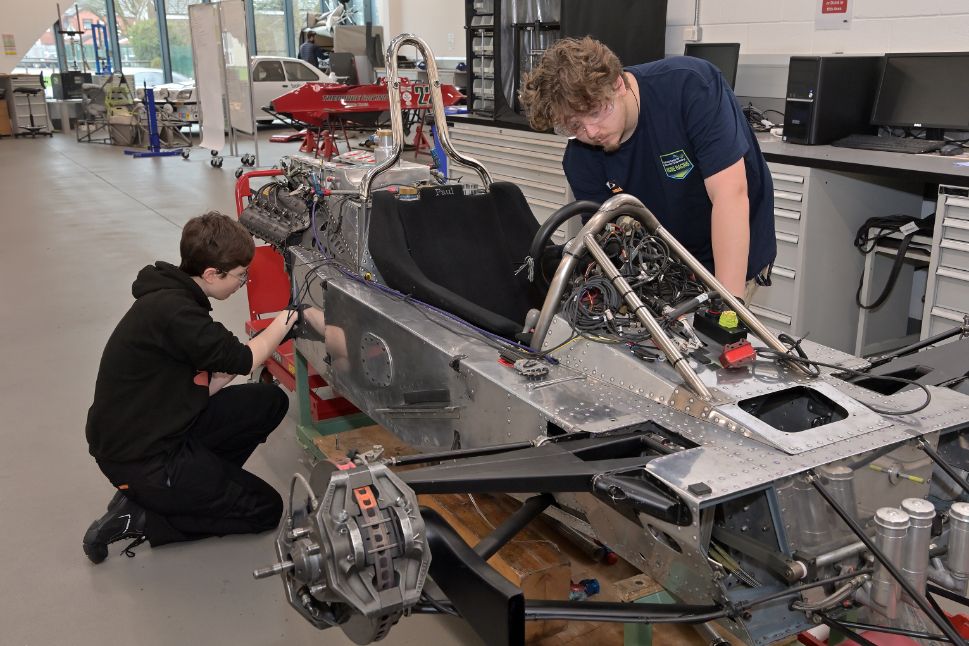
Described simply as a group of young engineers with a passion for historic racing, Crossley Motorsport are doing far more than preserving old cars. They are learning how motorsport works from the ground up, building, restoring, preparing and racing machinery that spans more than 70 years of competition history.
Their stand tells that story perfectly.
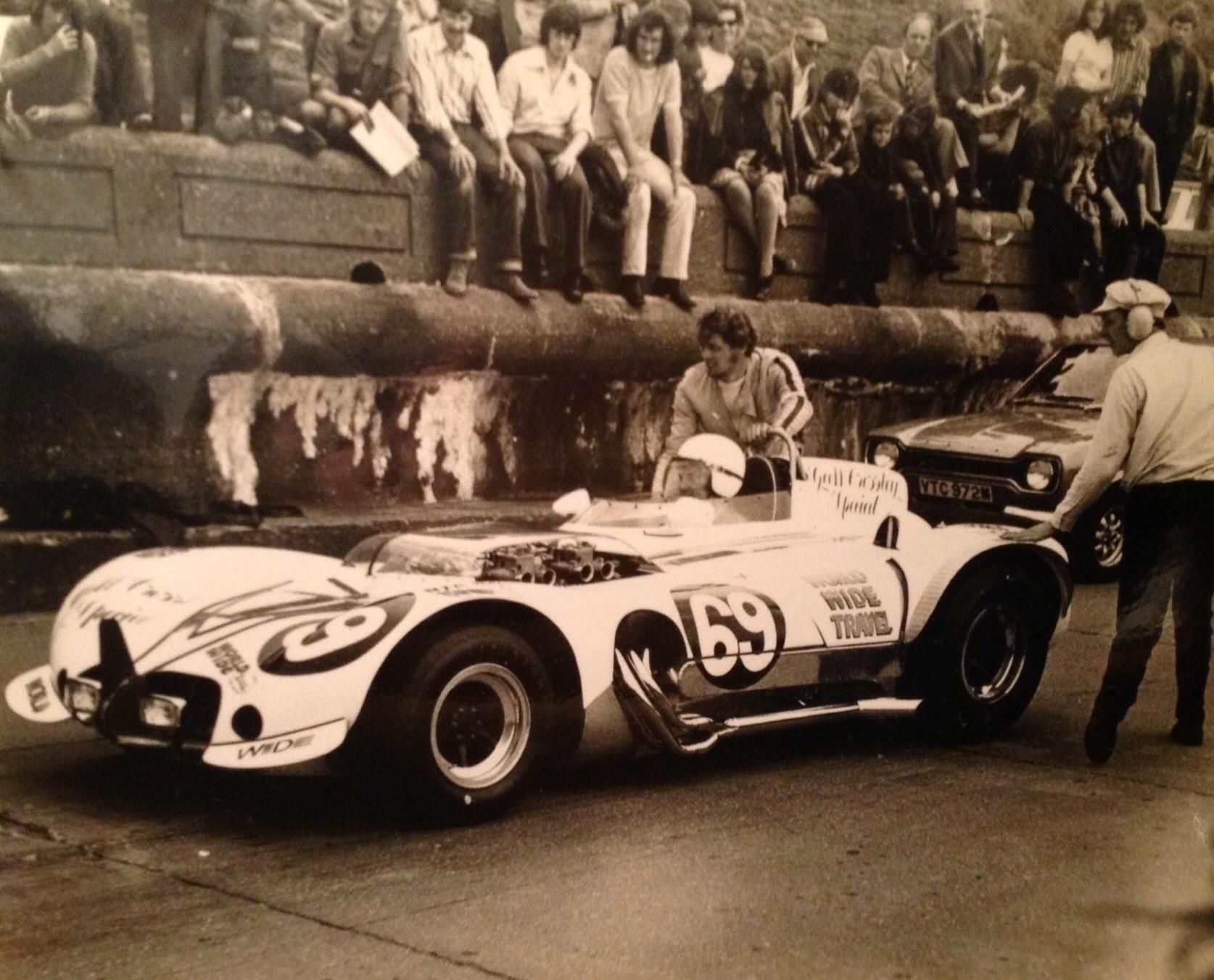
At one end sits the 1974 Geoff Crossley Special, a hand-built aluminium sports racer powered by a 3.6 litre Buick V8. A product of creative thinking and engineering confidence, it was a familiar sight in races and hillclimbs during the 1970s and remains a crowd favourite today.
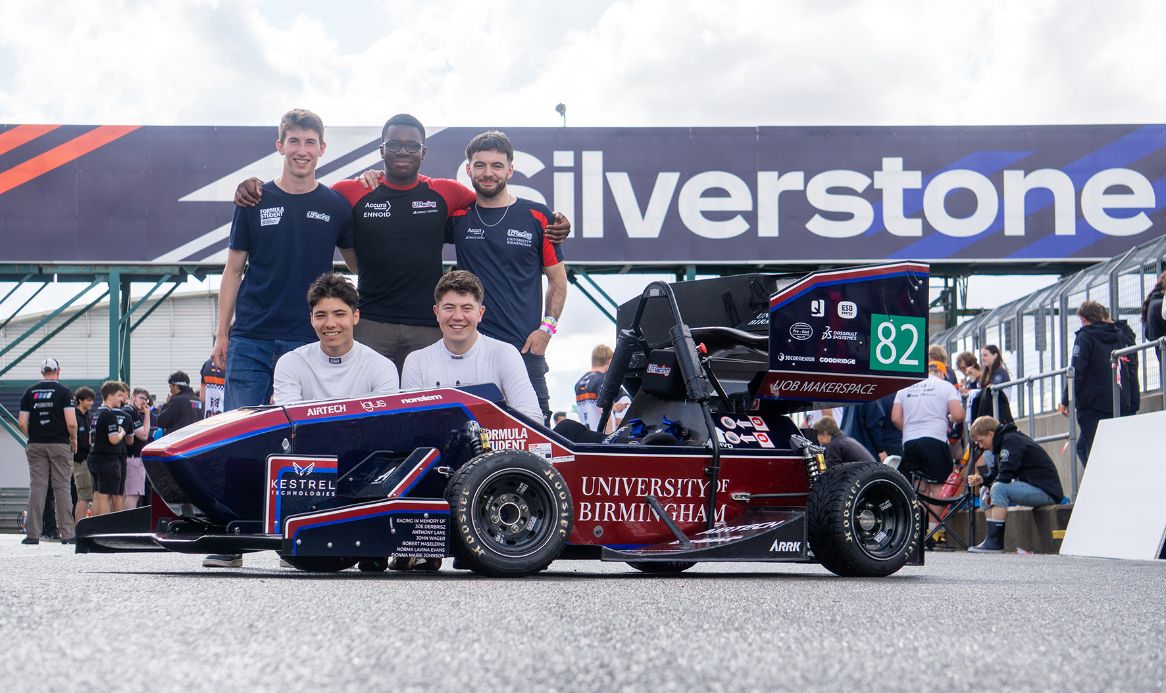
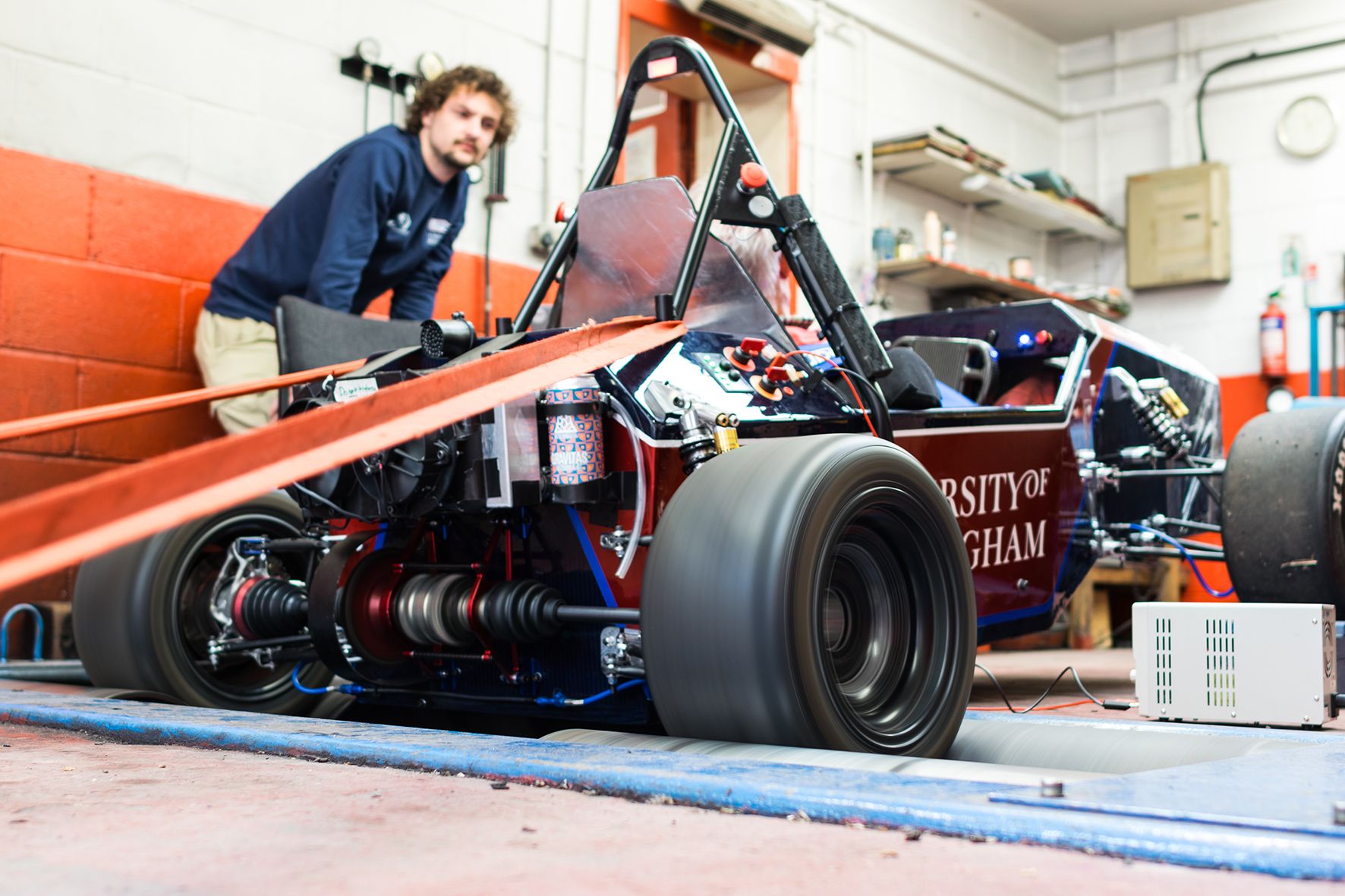
Alongside it is something very different. The UBR28, the University of Birmingham’s 2025 Formula Student electric single seater. A Silverstone endurance winner featuring a carbon monocoque, full aerodynamic package and modern electric performance, it represents students applying theory to something tangible, competitive and fast.
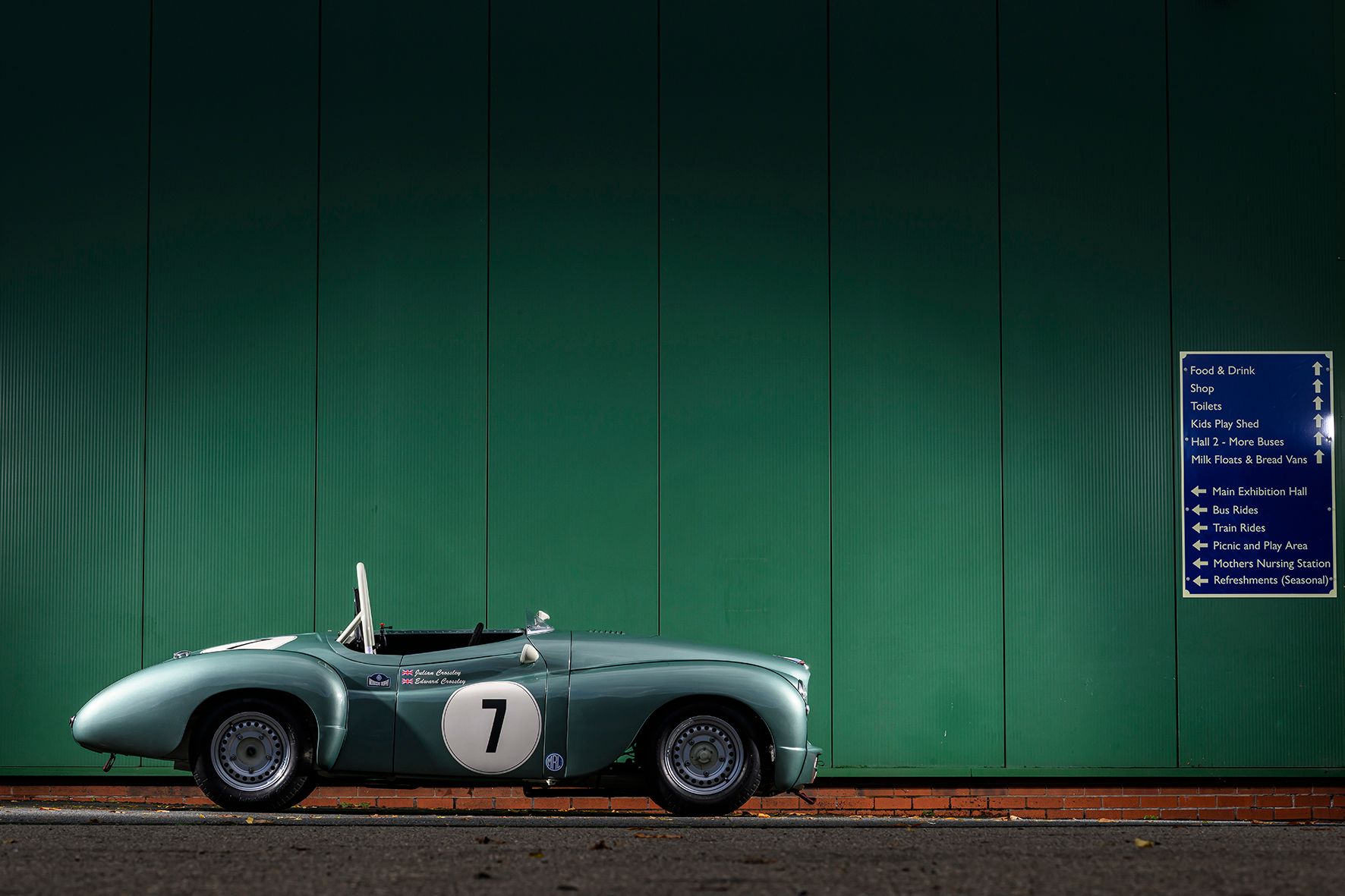
Then there is the 1951 Jowett Jupiter, built and developed in just six months by Crossley Motorsport’s student engineers. Starting as a rolling shell, it went on to compete at the Le Mans Classic, finishing third in class and 14th overall from a field of 85 cars in 2025. A remarkable achievement and a clear demonstration of what enthusiasm and hard work can deliver.
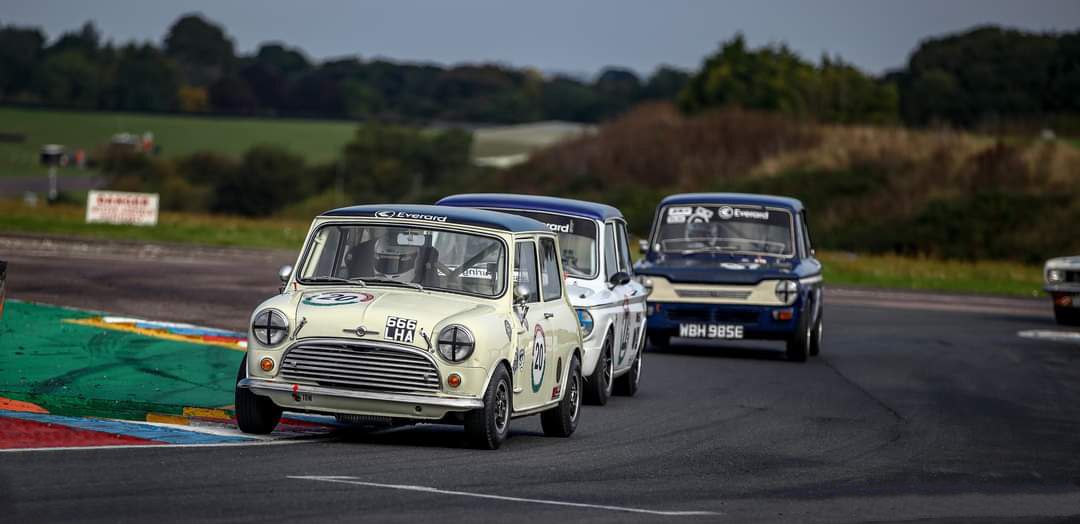
Completing the display is a 1966 Morris Mini Cooper S, an FIA Historic Saloon racer rescued from a barn in 2001. Campaigned for more than two decades and now maintained and developed by the Crossley Motorsport team, it offers a hands-on education in how historic racing operates week in, week out.
Motorsport UK are reinforcing that same message with an expanded presence at Race Retro this year, unveiling a second stand focused entirely on getting new people into the sport.
The aim is simple. Show that motorsport is not as out of reach as it can sometimes feel, particularly for young drivers and families taking their first steps.
At the heart of the stand are three disciplines that represent some of the most accessible ways to go racing.
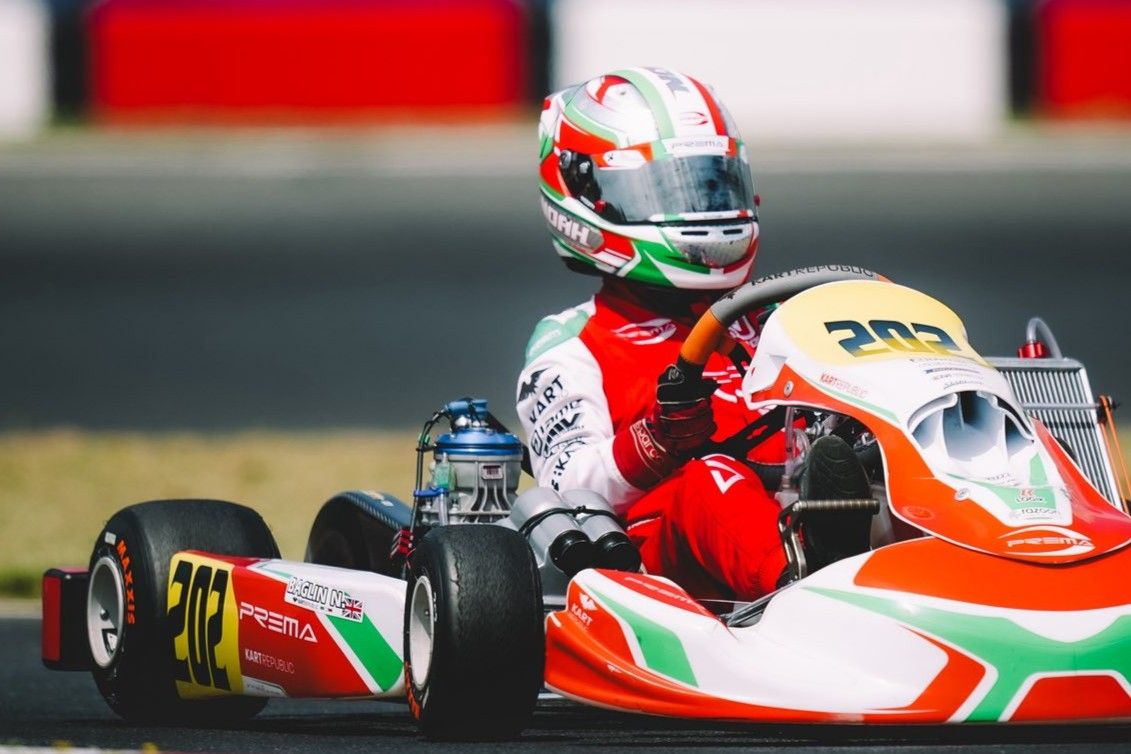
Karting remains the most well-known route into motorsport, and Motorsport UK are marking that with something special. On display is the World Championship-winning kart driven by Noah Baglin, the 2025 FIA Junior World Kart Champion and Scuderia Ferrari Driver Academy member. It is a powerful reminder of how far grassroots racing can lead.
Alongside it sits a Junior Dragster, a discipline that has become an increasingly popular entry point for young drivers. Affordable, family-focused and packed with excitement, Junior Dragster racing continues to launch careers and grow year on year.
Completing the trio is a Cross Car, one of the most straightforward ways to go racing today. Simple formats, minimal barriers to entry and arrive-and-drive competition make it an ideal introduction for newcomers looking to get on track quickly.
Together, these cars tell a clear story. There are real, achievable pathways into motorsport, whether the goal is professional competition or grassroots participation.
University of Greater Manchester are also attending to promote education, CPD training for advanced manufacturing, and consultancy work relating to advanced manufacturing. It highlights the growing connection between motorsport, skills development and real-world engineering careers.
That conversation continues off the show floor too. Visitors are encouraged to attend the daily Talk Motorsport Live Stage session, The Future of Motorsport: Introducing the Next Generation, where drivers, engineers and industry figures discuss how new talent is being supported and how the sport is evolving.
With universities, student teams, governing bodies and grassroots disciplines all sharing space for the first time, Race Retro 2026 is placing a genuine spotlight on the future. Not just celebrating where motorsport has come from, but actively opening the door for those ready to take their first step.
And if you are wondering whether it is achievable, Race Retro is here to show that it really is.
)
)
)
)
)
)
)